



World Stroke Day 2026: Early Signs of Stroke, Symptoms and Prevention
- World Stroke Day
- Stroke
- BE FAST
- Blood pressure
- Cholesterol
- Preventive care
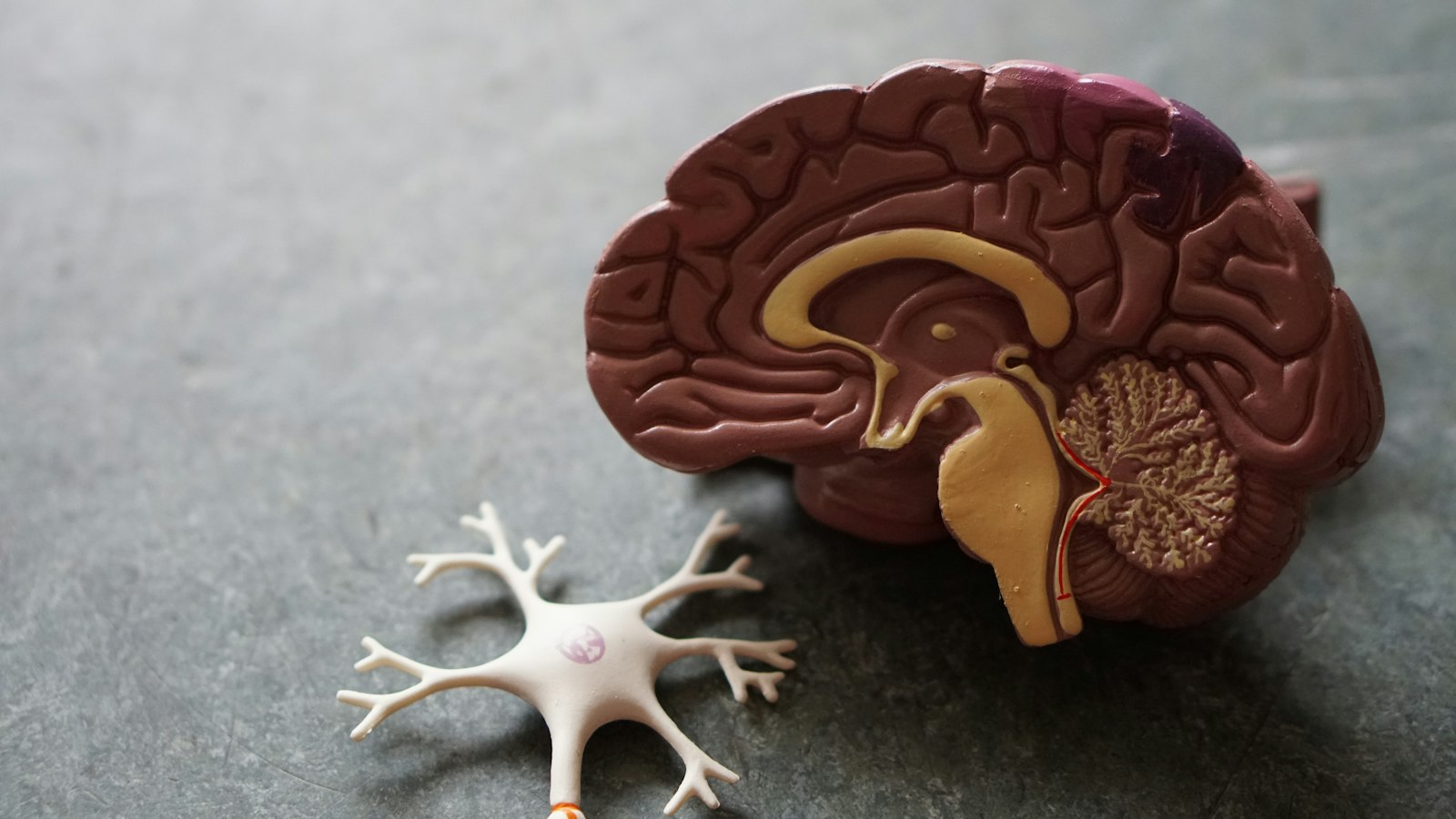
World Stroke Day 2026, observed on October 29, raises awareness about recognising stroke symptoms early and taking steps to reduce stroke risk. A stroke occurs when blood flow to part of the brain is blocked or when a blood vessel in the brain bursts. Recognising early signs of stroke and seeking immediate medical attention can help prevent serious complications and improve recovery outcomes.
A stroke can happen suddenly, sometimes while a person is talking, walking or carrying out everyday activities. Symptoms such as facial drooping, arm weakness or difficulty speaking may appear without warning.
Knowing what to look for can make a critical difference. Equally important is understanding how conditions such as high blood pressure, diabetes and high cholesterol can increase stroke risk.
What Is a Stroke and Why Does It Happen?
A stroke is a medical emergency that occurs when the brain does not receive enough blood and oxygen. Without adequate blood flow, brain cells can become damaged within minutes.
According to the World Health Organization (WHO), stroke was the third leading cause of death and disability worldwide in 2021, accounting for approximately 93.8 million disability-adjusted life years. This highlights why recognising stroke symptoms early and reducing preventable risk factors are so important.
There are two main types of stroke:
- Ischaemic stroke: Occurs when a blood clot blocks a blood vessel supplying the brain.
- Haemorrhagic stroke: Happens when a blood vessel in the brain ruptures, causing bleeding.
A transient ischaemic attack (TIA), often called a mini-stroke, causes temporary stroke-like symptoms. Even when symptoms disappear, a TIA requires urgent medical evaluation because it can signal an increased risk of a future stroke.
What Are the Early Signs of a Stroke?
The early signs of stroke usually appear suddenly. Recognising them quickly can help someone receive emergency treatment before more damage occurs.
The BE FAST method is a simple way to remember common stroke warning signs.
| BE FAST | Warning sign |
|---|---|
| B – Balance | Sudden loss of balance or coordination |
| E – Eyes | Sudden blurred vision, double vision or vision loss |
| F – Face | One side of the face droops or feels numb |
| A – Arms | Weakness or numbness in one arm |
| S – Speech | Slurred speech or difficulty speaking |
| T – Time | Call emergency services immediately |
Other possible stroke symptoms include sudden confusion, numbness on one side of the body or a severe headache without an obvious cause. Do not wait for symptoms to improve. Even if they disappear within minutes, emergency medical assessment is essential.
What Are the Common Causes and Risk Factors of Stroke?
Stroke can develop due to several health conditions and lifestyle factors. Some risks, such as age and family history, cannot be changed. Others can be managed through appropriate healthcare and lifestyle changes.
Important stroke risk factors include:
- High blood pressure: Can damage blood vessels and is a major risk factor for stroke.
- High cholesterol: Can contribute to fatty deposits that narrow arteries.
- Diabetes: High blood sugar can damage blood vessels over time.
- Smoking: Damages blood vessels and increases the likelihood of blood clots.
- Physical inactivity: Can contribute to obesity, high blood pressure and diabetes.
- Heart conditions: Atrial fibrillation, an irregular heart rhythm, can increase the risk of blood clots reaching the brain.
Understanding these risk factors helps individuals take preventive action before serious complications develop.
How Can You Prevent a Stroke?
Not every stroke can be prevented, but managing risk factors can significantly reduce the likelihood of experiencing one. Some practical stroke prevention measures include:
Monitor blood pressure regularly
High blood pressure often develops without noticeable symptoms, making routine monitoring important.
Manage cholesterol levels
Follow medical advice on diet, physical activity and cholesterol-lowering treatment when prescribed. A lipid profile can help assess cholesterol and triglyceride levels.
Keep diabetes under control
Monitor blood sugar as recommended and follow your healthcare professional's treatment plan. Glucose and HbA1c testing can help track blood sugar control over time.
Stay physically active
Aim for regular exercise suited to your age, health and physical ability.
Avoid smoking
Quitting smoking supports healthier blood vessels and reduces cardiovascular risk.
Maintain a balanced diet
Choose vegetables, fruits, whole grains and nutritious foods while limiting excess salt and unhealthy fats.
Why Are Regular Health Checkups Important for Stroke Prevention?
Preventive health checkups can help identify conditions that increase stroke risk, particularly high blood pressure, diabetes and high cholesterol.
A healthcare professional may recommend:
- Blood pressure measurement to detect hypertension.
- Lipid profile to assess cholesterol and triglyceride levels.
- Blood glucose or HbA1c testing to assess blood sugar levels and diabetes risk.
These assessments do not predict whether someone will experience a stroke. However, they provide useful information for evaluating cardiovascular risk and planning preventive care. The frequency of testing depends on age, medical history, existing conditions and individual risk factors.
What Should You Do If Someone Shows Stroke Symptoms?
If someone suddenly develops facial weakness, speech difficulties, arm weakness or other stroke warning signs, call emergency services immediately. Note when the symptoms first appeared or when the person was last known to be well. This information can help the medical team determine appropriate treatment.
Do not give food, drinks or medication, including aspirin, unless emergency medical professionals advise it. Some strokes involve bleeding and avoid driving the person to hospital yourself when emergency ambulance services are available. Stroke treatment is time sensitive. Every minute matters.
Take a Preventive Step With Medall Diagnostics
Recognising stroke symptoms early can save lives, while managing risk factors can help protect long-term health. Regular monitoring of blood pressure, cholesterol and blood sugar can support informed decisions about stroke prevention. Medall Diagnostics offers blood testing services, including lipid profile, blood glucose and HbA1c tests to help individuals monitor important health indicators. Speak with your healthcare professional about appropriate screening and book your preventive health checkup with Medall Diagnostics to take a proactive step towards better heart and brain health.
Frequently Asked Questions
1. What Are the First Warning Signs of a Stroke?
The first signs of a stroke may include sudden facial drooping, arm weakness, slurred speech, loss of balance or vision problems. If any of these symptoms appear, call emergency services immediately.
2. Can a Stroke Happen Without Warning?
Yes. A stroke can occur suddenly, even in someone who previously felt healthy. However, conditions such as high blood pressure, diabetes and high cholesterol may increase the risk over time.
3. What Is the Main Cause of Stroke?
Most strokes occur when a blood clot blocks blood flow to the brain. Others happen when a blood vessel ruptures. High blood pressure is one of the most important modifiable stroke risk factors.
4. Can Stroke Be Prevented?
Many strokes can be prevented by controlling blood pressure, managing diabetes and cholesterol, avoiding smoking, staying physically active and following prescribed treatment for relevant medical conditions.
5. Which Health Tests Can Help Assess Stroke Risk?
Blood pressure measurement, lipid profile, blood glucose and HbA1c testing can help identify conditions associated with increased stroke risk. A healthcare professional can recommend appropriate tests based on individual health needs.
Ready to book a test?
Explore lab tests, packages, and home collection.