



World Diabetes Day 2026: Early Signs of Diabetes You Shouldn't Ignore
- World Diabetes Day
- Diabetes
- Early signs
- HbA1c
- Blood sugar
- Preventive care
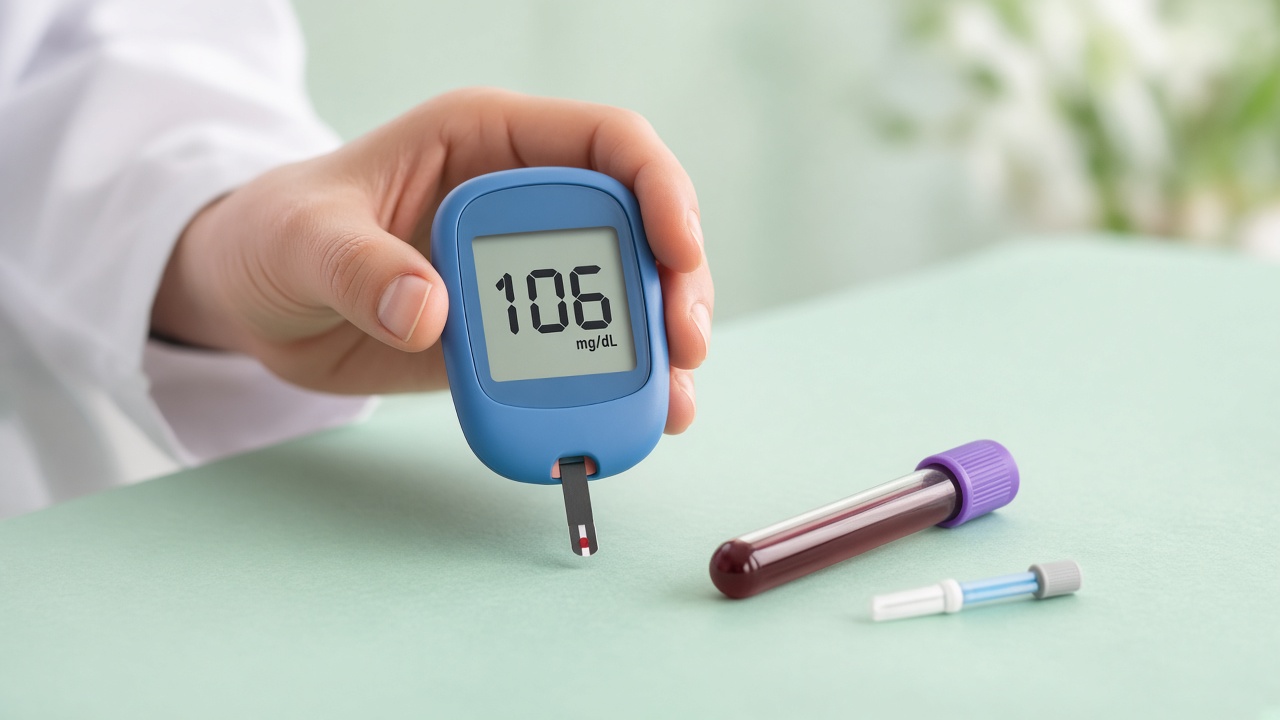
World Diabetes Day, observed on 14 November, is a reminder to recognise changes in your health and seek timely testing. Feeling unusually thirsty, waking frequently to urinate or losing weight without trying may seem unrelated. Together, these changes can suggest high blood sugar.
According to the World Health Organization, 830 million people worldwide were living with diabetes in 2022. Type 2 diabetes can develop with mild symptoms or none, making timely testing important.
What Causes Diabetes and How Does It Affect Your Body?
Diabetes develops when your body does not produce enough insulin or cannot use it effectively. Insulin is a hormone that helps sugar move from your blood into cells for energy. When this process is disrupted, blood sugar levels rise.
In type 1 diabetes, the immune system mistakenly attacks the cells that produce insulin. In type 2 diabetes, the body becomes less responsive to insulin and eventually cannot produce enough to meet its needs. Genetics, excess body weight and physical inactivity can increase the risk of type 2 diabetes.
According to the World Health Organization, more than 95% of people with diabetes have type 2 diabetes. Persistently high blood sugar can damage blood vessels and nerves, affecting the heart, kidneys, eyes and feet. Early diagnosis and appropriate treatment can help reduce these risks.
What Are the Early Signs of Diabetes?
Common early signs include increased thirst, frequent urination, tiredness, blurred vision, unexplained weight loss and infections.
Frequent Urination and Increased Thirst
High blood sugar can cause the kidneys to remove extra glucose through urine, drawing water with it. You may urinate more often, including overnight, and feel thirsty despite drinking regularly. Persistent changes deserve attention, especially when they occur together.
Unusual Tiredness and Increased Hunger
Feeling drained despite adequate rest can have many causes, including diabetes. You may also feel hungrier than usual because your body is not using glucose effectively. These symptoms warrant assessment when persistent, particularly alongside thirst or frequent urination.
Unexplained Weight Loss
Losing weight without changing your meals or activity level should be discussed with a doctor. When the body cannot use glucose properly, it may break down fat and muscle for energy. Weight loss can be especially noticeable when type 1 diabetes develops.
Blurred Vision
High glucose levels can change fluid levels in the tissues involved in focusing your eyes, causing blurred vision. Avoid assuming that you simply need new glasses. Arrange an assessment if your vision changes, particularly alongside other diabetes symptoms.
Slow Healing and Repeated Infections
Cuts that take longer to heal, repeated urinary infections or recurring thrush can occur with diabetes. These problems also have other causes, so testing and clinical assessment are needed. Persistent tingling or numbness in the feet also deserves medical attention.
When Should You Seek Urgent Medical Care?
Seek emergency care if thirst or frequent urination is accompanied by vomiting, abdominal pain, fast or deep breathing, fruity-smelling breath, marked drowsiness or confusion. These may indicate diabetic ketoacidosis, a dangerous build-up of acids caused by insufficient insulin.
This can be the first presentation of diabetes, particularly type 1. Children with new thirst, frequent urination, tiredness or weight loss need prompt assessment. Do not delay care to arrange a fasting test.
Which Blood Tests Help Diagnose Diabetes?
Blood tests confirm whether glucose levels are raised. Your doctor selects tests based on your symptoms and medical history.
Fasting Blood Glucose
A fasting blood glucose test measures blood sugar after at least eight hours without food or drinks other than water. Follow preparation instructions and ask about medicines rather than changing them yourself.
HbA1c Test
An HbA1c test reflects average blood sugar over approximately two to three months and usually requires no fasting. It helps assess longer-term glucose levels. Anaemia, which affects red blood cells, pregnancy and inherited differences in haemoglobin, the protein carrying oxygen in blood, can affect results.
Random Glucose and Glucose Tolerance Testing
A random plasma glucose test can be performed without fasting when symptoms need assessment. An oral glucose tolerance test measures the response to a standard glucose drink. Your doctor decides which approach is appropriate.
The NIDDK guide to diabetes testing explains these tests. Without clear symptoms and significantly raised glucose, an abnormal result generally needs confirmation. A home glucose meter alone cannot diagnose diabetes.
Should You Get Tested Without Symptoms?
Screening can be useful even when you feel well. Discuss testing if you have a family history of type 2 diabetes, excess weight, low physical activity or a history of diabetes during pregnancy.
An annual preventive health review can help establish your testing schedule. Not everyone needs every blood test annually. Your doctor considers age, risk factors and previous results. Earlier detection can support timely treatment and reduce the risk of complications affecting the eyes, kidneys, nerves and heart.
Take the Next Step With Medall Diagnostics
This World Diabetes Day 2026, make time to discuss persistent symptoms and your need for preventive screening. Medall Diagnostics offers blood glucose testing, HbA1c tests and health checkup services to support informed healthcare decisions. Consult a healthcare professional about the tests and follow up you need, then book your recommended blood tests at your nearest Medall Diagnostics centre.
Frequently Asked Questions
1. What are the most common early signs of diabetes?
Frequent urination, increased thirst, tiredness, blurred vision and unexplained weight loss are common signs. Some people, particularly those with type 2 diabetes, have no noticeable symptoms.
2. Can someone have diabetes without being overweight?
Yes. Diabetes can affect people of different body sizes. Family history and other factors influence type 2 diabetes risk, while type 1 diabetes involves an immune system attack on insulin-producing cells.
3. Is HbA1c better than a fasting blood sugar test?
Neither is best for everyone. HbA1c shows average glucose over several months, while fasting glucose measures it at a specific time. Your doctor selects the test based on your circumstances.
4. Can I wait until my annual checkup if I notice symptoms?
Persistent thirst, frequent urination or unexplained weight loss should be assessed promptly. Seek emergency care if these occur with vomiting, breathing changes, confusion or marked drowsiness.
5. Can a normal home glucose reading rule out diabetes?
No. A single home reading cannot reliably exclude diabetes. If you have symptoms or risk factors, ask your doctor whether laboratory testing is needed.
Ready to book a test?
Explore lab tests, packages, and home collection.
Related articles
- Preventive careHbA1c vs Blood Sugar Test: Which One Is Better for Diabetes Diagnosis?Read article →
- Preventive care10 Blood Tests Every Adult Should Consider Once a YearRead article →
- Preventive careWhat is Full Body Health Checkup: Which Tests Should You Include in Your Annual Screening?Read article →